







Founder's Edit No. 3 | FEBRUARY
On Love, and Doing Less
February is known as the month of love. Beyond romance, I’ve come to see it as an invitation to pay closer attention to connection, to care, and to the quiet ways we show up for one another each day.
It feels like a natural moment to reflect not only on our relationships with partners, family, and friends, but also on the relationship we have with ourselves—beginning in the spaces that hold our lives.
I have always believed that home is more than shelter or personal style. It is a sacred, lived-in environment. It holds our routines, our rest, our healing, our important conversations, and our becoming. What we choose to bring into these spaces matters—not only aesthetically, but emotionally. The objects in our homes shape how we move, how we gather, and how we grow as individuals and as families.
Over time, I began noticing how my home was quietly pulling my attention away.
I have to admit, I have never read Marie Kondo’s The Life-Changing Magic of Tidying Up, though it has been on my list for years. Still, as I began paying closer attention to the rhythms of my home and how it made me feel, I started forming my own understanding of the connection between relationships, home and the objects within it.
I realized that cleaning and organizing had quietly become a way for me to escape. An endless loop of tidying would pull me away from the very moments I wanted to be fully inside of. I told myself that maintaining order meant maintaining calm—that if the house felt in order, I would feel in order.
I would sit down to play Legos on the floor or begin a board game after dinner, fully intending to be present. But my eyes would drift toward a small pile on the counter, a stack of papers, a corner slightly undone—or the fact that I was still using a high chair as my desk chair. My attention would fragment. Without meaning to, I was choosing control over connection.
It took time to understand what was actually happening.
I began to notice that I felt different in certain areas of my home—not necessarily based on how tidy they were, but on whether I understood them. My mudroom, for example, experiences chaos multiple times a day. Shoes, backpacks, skis, jackets, and gear constantly in motion. Yet it feels grounding. Why? Because I know it. I know exactly what lives there. I have a running inventory of what that space contains.
What I came to realize is that it was never about perfection. It was about having a relationship with my home that felt conscious rather than reactive. Piles can exist without demanding immediate action. A space can be lived in without being perfectly reset. Order does not require urgency. It was about deep knowledge of belongings and intention.
When we intentionally choose fewer, more meaningful pieces—when we understand exactly what we own and why it belongs—we create room for presence. We create homes that support connection rather than distract from it.
So this February, I’ve been reflecting on love not as a grand gesture, but as attention — to the people in front of us, to the moments that deepen our connection, and to the spaces that quietly support it all.
A well-considered home should make it easier to gather on the floor, to linger at the table, to remain in conversation a little longer. It should require less from us. Less maintenance of appearance. Less constant recalibration. When a home is grounded in intention and clarity, it frees us to do less—and in doing less, to experience more, both within our homes and outside of it.
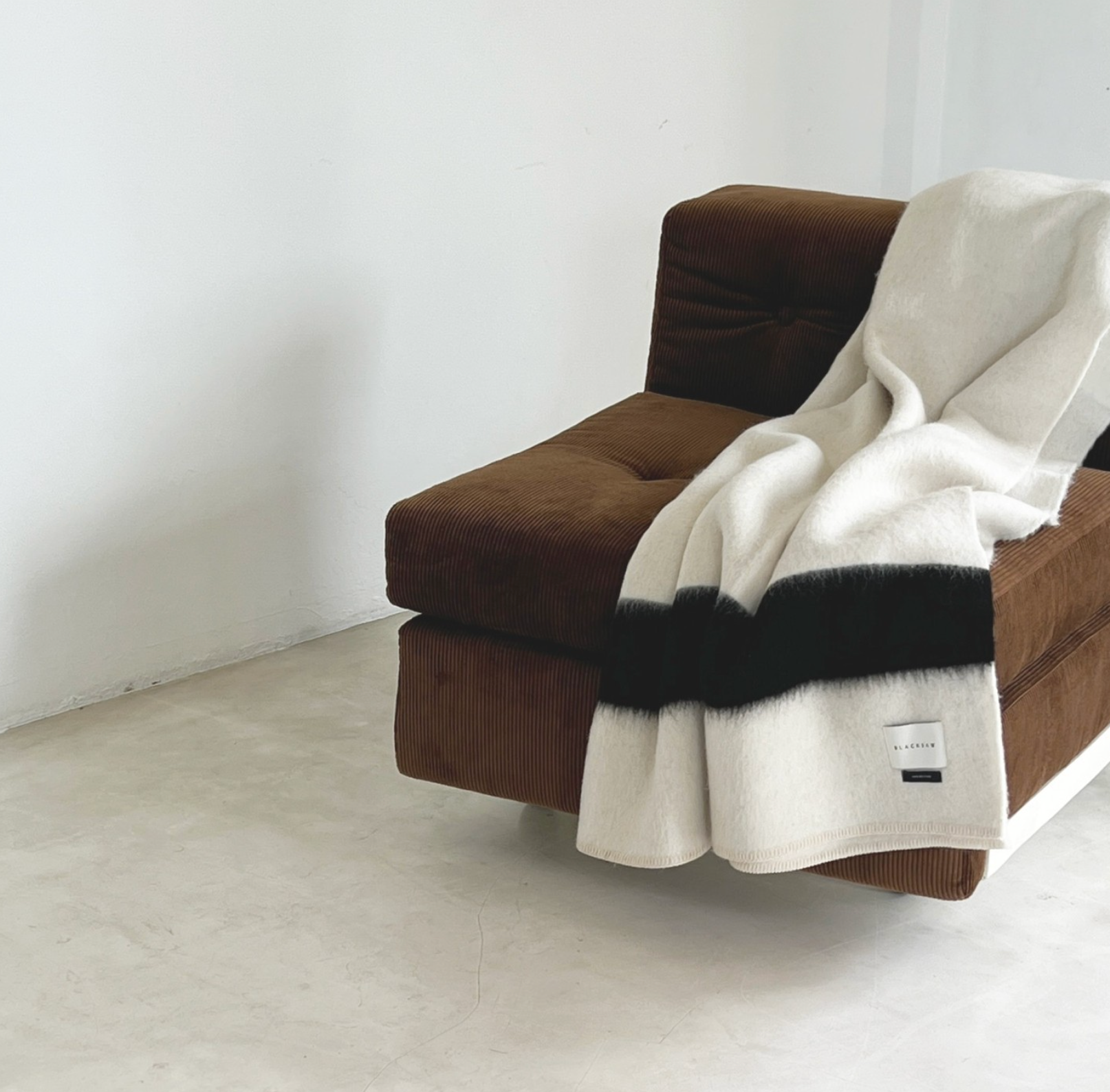
For me, that has meant releasing the need for constant perfection and instead cultivating awareness of inventory, of deeper knowledge of belongings, and of what truly serves our everyday lives—the one blanket I love reaching for on movie nights, instead of a closet crowded with endless choices.
Because in the end, love lives in the small moments. And our homes should make space for them.
— Nicole


